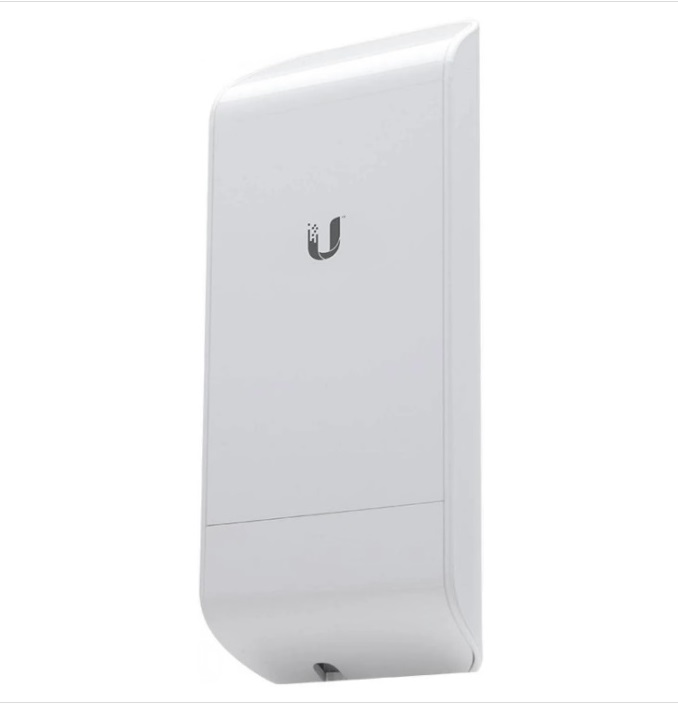
A 5 GHz wireless bridge kit: what is needed beyond two units
Two boxes is less than half the work.
A radio bridge is bought as a pair of devices and very often stop there. Two names appear in the estimate, and a month later it turns out that the link is not raised: there is no power supply on the mast, no lightning protection, no cable of the desired category and no one to twist the adjustment.
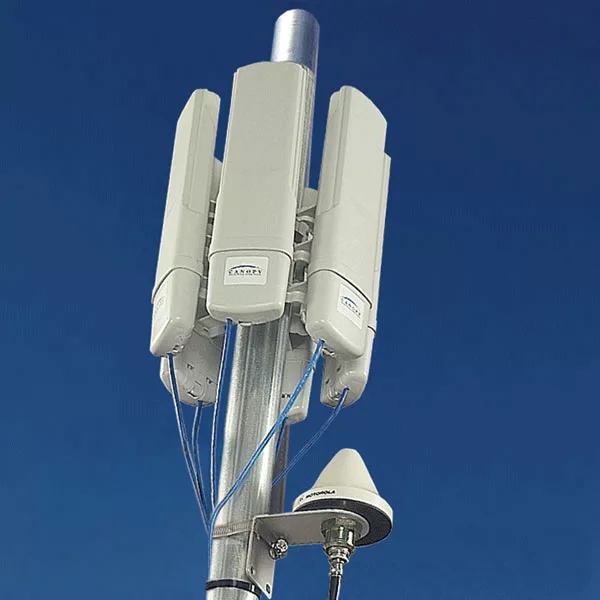
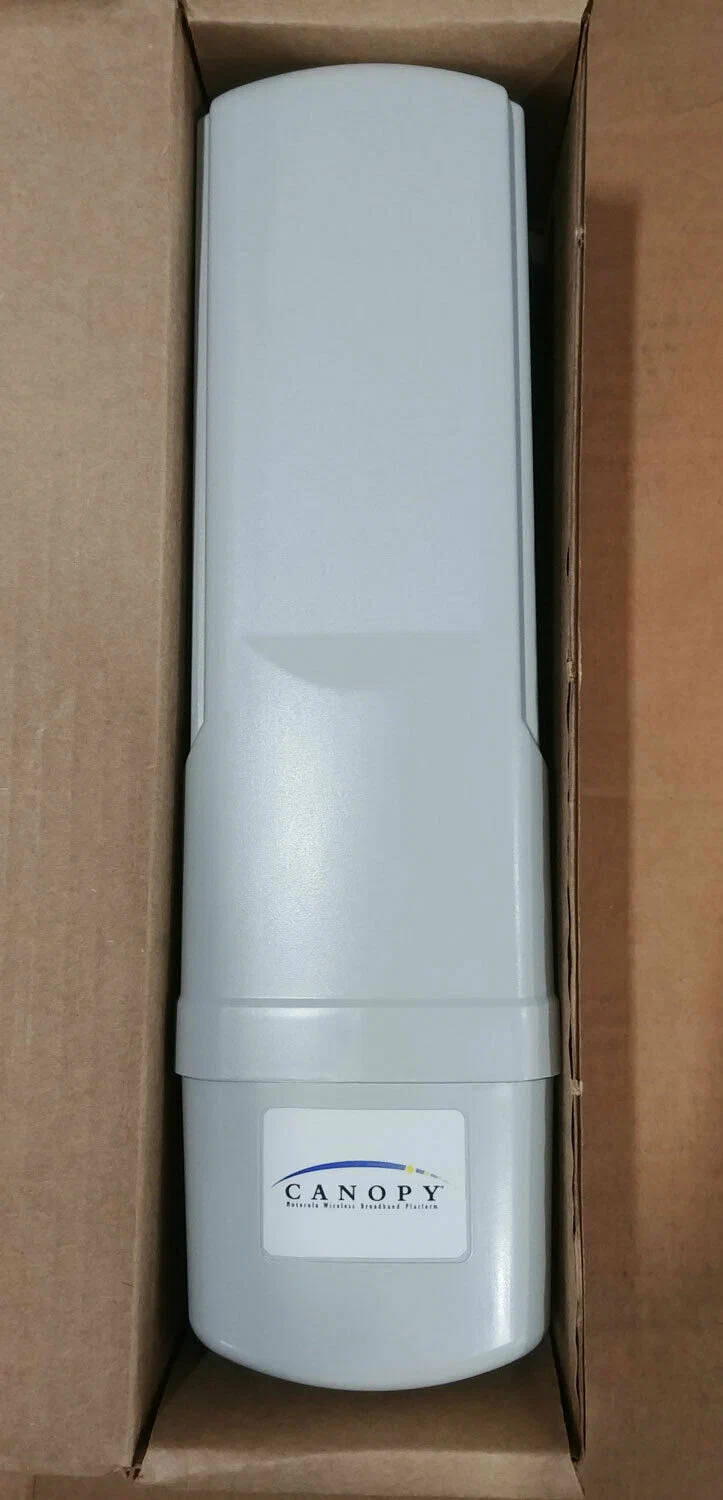
The working kit consists of four parts: the transceivers themselves, power supply and communication line to them, protection against thunderstorms and grounding, mechanics - a mast or bracket with the possibility of accurate tipping.
Each of these parts can break the link entirely. And the equipment is usually the most reliable part, and fails what you saved.
That's why the estimate counts for everything. Practice shows that interconnections cost about the same as the pair of devices themselves, and sometimes more if you need a mast.
Power supply in the same pair as the data
5 GHz devices are almost always powered by a twisted pair from an indoor injector. It is convenient: there is no socket on the mast, only one cable down.
The limit is length. On a long track, the voltage sags, and the device begins to reboot under load. It is manifested insidiously: the link is worth hours, and falls at the moment when it went real traffic.
The cable is all-coated, not slowed. Cooled aluminum is cheaper and works according to data, but power supply gives just the drawdown, which is then searched for a week.
The injector is placed on a protected power supply. If it goes out with the lighting, the link disappears with it, and it will be found at the most inconvenient moment.
Storm protection and land
The mast with the device at the top is the lightning rod to which your switch is connected. Without protection, the first storm carries both ends of the link and the port of the switch at the same time.
Protection is put on two sides: on the mast, next to the device, and at the entrance to the room. One side protects against direct targeting, the second does not let the discharge further into the network.
Grounding is done on a separate circuit, not on the heating battery and not on the cabinet. Earth is measured, not by eye.
The cable is led so that at the entrance to the building there was a drip loop, and the water flowed past the sealant, and not inside on the shell.
Mast and alignment
Direct visibility is a prerequisite. At 5 GHz, the tree growing in the stem removes the link completely, and through the growing season it happens suddenly.
The mast should be stiff. Swinging in the wind leads away a narrow beam, and the link begins to disappear in gusts - the most elusive malfunction of all.
Adjustment is done according to the indication of the signal level, and not to the eye in the direction. The difference between "about there" and the tuned position is units of decibels, that is, the difference between a stable link and falling in the rain.
The width of the channel is selected by task. A wide channel gives speed, but it is worse at the range limit and catches neighbors more strongly. On a loaded range, a narrow channel often performs better.
Stock on the signal is laid for rain and future neighbors. Link, who has risen upside down, lives until the first downpour.
What breaks down in operation
Connectors on the mast. Water, temperature, vibration. Sealing connector - expendable work, it is repeated every few years.
Cable at inflection point. The wind blows the loop, and after a year or two the vein breaks inside the whole shell.
Neighbors on the air. The range is general, and the appearance of someone else’s link next to you changes the situation without any participation on your part. Periodic viewing is part of the service.
Overgrowth of the flap. Once a year, we see what has grown between the dots.
Power supply. An injector in a dusty cabinet warms and ages just like any power supply unit.
What is checked on delivery
The signal level at both ends and its reserve relative to the threshold at which the link breaks. They write numbers, not "good."
Speed under real load in both directions, and not just stated in the interface.
Behavior in the rain, if the surrender is in dry weather, at least the estimated stock, and re-measurement in the first rain.
Power supply: voltage on the device under load, work from the backup, behavior in case of loss and return of the network.
Protection: presence of lightning protection on both sides, measured ground resistance, absence of foreign equipment on the same circuit.
And recorded settings: channel, width, power, addresses. After a year without these records, any reconfiguration starts with a technical guide to what’s worth at all.
Two shores of the site and two ends of the set
For communication between the administrative building and a remote warehouse in the Kazan area, make two separate mounting lines. On each side mark the device, power supply, mounting, cable track and connection to the local network. The same radio units do not mean the same length of the cable or the same conditions of placement at both ends.
For the shore base on the Irtysh near Tobolsk, add photos of directions between points and restrictions on access to supports. The presence of water between objects does not confirm direct visibility of the entire track. The kit request includes the site diagram and planned network tasks: workplaces, cameras or other equipment. This allows you to discuss a specific line, not promise a connection by one name of the village.